Best Foods to Eat While Taking GLP-1: Maximizing Your Weight Loss Prescription
When embarking on a weight loss prescription journey, particularly with GLP-1 medications, what you eat plays a critical role in optimizing results. GLP-1 medications, such as semaglutide, are designed to help control appetite, improve satiety, and enhance metabolism, making your nutritional choices even more impactful. Choosing the best foods to eat while taking GLP-1 can help you feel full longer, stabilize blood sugar, and accelerate fat loss.
Eating strategically is not just about reducing calories; it’s about fueling your body with nutrients that work in harmony with your prescription. Prioritizing whole, nutrient-dense foods can amplify the benefits of your medication. Combining the right foods with your weight loss prescription creates a synergy that supports both your physical and mental well-being. The key lies in understanding which foods help you feel satiated, support energy levels, and maintain balanced blood sugar throughout the day.
Lean Proteins: The Cornerstone of Satiety
Protein is undeniably one of the best foods to eat while taking a GLP-1 weight loss prescription. Lean proteins such as chicken breast, turkey, eggs, tofu, and fish provide sustained energy without triggering large spikes in blood sugar. Protein naturally enhances satiety by promoting the release of hormones that signal fullness.
Including protein at each meal helps prevent overeating and makes it easier to adhere to your diet plan. For breakfast, consider scrambled eggs with spinach or a protein-rich smoothie with Greek yogurt and berries. Lunch and dinner can focus on grilled fish or lean chicken paired with non-starchy vegetables. By making protein a consistent part of your diet, you not only optimize your weight loss prescription but also preserve lean muscle mass, which is crucial for maintaining a healthy metabolism.
Moreover, studies and clinical experiences suggest that protein-rich meals reduce cravings, especially for sugary or highly processed foods. When taking GLP-1 medications, this effect is amplified because the medication already enhances feelings of fullness. Pairing protein with fiber-rich vegetables ensures you stay satisfied for hours, making it easier to stick to your nutritional goals.
Fiber-Rich Foods: Supporting Fullness and Gut Health
Fiber is another essential component when determining the best foods to eat while on a GLP-1 regimen. Foods high in soluble fiber, such as oats, beans, lentils, chia seeds, and vegetables, slow down digestion and stabilize blood sugar levels. This contributes to longer-lasting satiety, complementing the appetite-regulating effects of GLP-1 medications.
Fiber also promotes gut health by feeding beneficial bacteria, which in turn can improve metabolism and support weight loss. Whole grains like quinoa or brown rice are excellent choices for meals, while a variety of colorful vegetables ensures you receive a broad spectrum of nutrients. Even adding a small serving of beans or lentils to a salad or soup can drastically enhance fullness and satisfaction.
For those following a GLP-1 weight loss prescription, fiber-rich snacks such as apple slices with nut butter or raw vegetables with hummus can help bridge gaps between meals without triggering unnecessary hunger. By including fiber throughout the day, you maintain energy levels, reduce overeating, and make your diet more sustainable over the long term.
Healthy Fats: Essential and Satisfying
Incorporating healthy fats is crucial when planning the best foods to eat while taking GLP-1 medications. Avocado, nuts, seeds, olive oil, and fatty fish like salmon provide essential fatty acids that support brain health, reduce inflammation, and contribute to prolonged satiety. Healthy fats help slow the absorption of carbohydrates, which minimizes blood sugar spikes and helps maintain steady energy levels.
Pairing fats with protein or fiber amplifies their effectiveness in keeping you full and satisfied. For example, a salad with olive oil dressing, avocado, and grilled chicken offers a nutrient-rich, filling meal that complements your weight loss prescription. Nuts and seeds make ideal snack options, as they provide concentrated nutrition in small portions. Including these fats consistently helps you feel more satisfied between meals, which reduces the likelihood of cravings or emotional eating.
Moreover, healthy fats improve the absorption of fat-soluble vitamins like A, D, E, and K, ensuring that your body receives essential nutrients while you focus on weight management. By strategically including fats, you enhance both your nutritional intake and the effectiveness of your GLP-1 medication.
Low-Glycemic Fruits and Vegetables: Sweetness Without Spikes
Contrary to the misconception that all fruits and vegetables are off-limits during weight loss, selecting the right ones makes a significant difference. Low-glycemic options such as berries, cherries, green apples, leafy greens, and cruciferous vegetables offer natural sweetness without causing rapid blood sugar fluctuations.
Berries are particularly ideal as they are rich in antioxidants and fiber while remaining low in calories. They can be added to breakfasts, smoothies, or salads, enhancing both flavor and nutritional value. Green vegetables like broccoli, zucchini, and spinach provide volume and nutrients, allowing you to eat larger portions while keeping calorie intake controlled.
Including these foods as part of your weight loss prescription plan ensures that your meals are satisfying, colorful, and nutrient-dense. They also pair well with lean proteins and healthy fats, creating balanced meals that optimize satiety and support metabolic health. By focusing on low-glycemic fruits and vegetables, you maintain steady energy throughout the day and prevent overeating that could undermine your GLP-1 medication’s effects.
Hydration and Smart Beverage Choices
Proper hydration is often overlooked but plays a key role in the success of any weight loss prescription. Drinking adequate water supports digestion, helps manage hunger, and enhances overall metabolic function. Water-rich foods like cucumbers, watermelon, and leafy greens contribute to hydration while adding volume to meals.
Herbal teas or infused water with citrus or berries can provide flavor without adding unnecessary calories or sugar. Avoiding sugary beverages helps prevent blood sugar spikes, allowing GLP-1 medications to work efficiently. Staying hydrated also supports energy levels and cognitive function, making it easier to maintain a consistent eating schedule and adhere to your best foods to eat list.
In addition, sipping water before meals can amplify feelings of fullness, further complementing the appetite-suppressing effects of GLP-1 medications. This simple habit is often overlooked, yet it plays a pivotal role in long-term weight management and overall wellness.
Planning Balanced Meals: Practical Tips
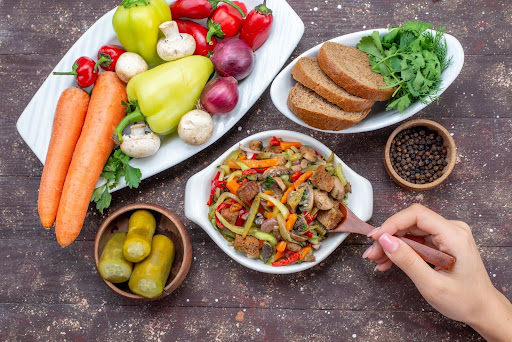
To maximize the benefits of your GLP-1 weight loss prescription, structuring meals around a balance of protein, fiber, healthy fats, and low-glycemic carbohydrates is essential. Breakfast might include a spinach and egg scramble with avocado, while lunch could feature grilled salmon over quinoa with roasted vegetables. Dinner can focus on lean chicken with a side of lentils and sautéed greens.
Snacks should not be an afterthought; they are opportunities to reinforce good habits. Almonds, Greek yogurt with berries, or carrot sticks with hummus keep hunger at bay without overwhelming your daily calorie allowance. By planning ahead and incorporating best foods to eat, you maintain consistency and avoid impulsive choices that can derail progress.
Batch cooking and meal prepping are excellent strategies for staying on track. When meals are prepared in advance, you are less likely to reach for convenience foods that may undermine your weight loss prescription. The combination of strategic meal planning and GLP-1 medication creates a robust framework for sustainable weight loss and long-term health.
Mindful Eating: Enhancing Medication Effectiveness
While food choices are critical, the manner in which you eat also impacts the success of your weight loss prescription. Mindful eating—eating slowly, savoring each bite, and paying attention to hunger cues—helps regulate appetite and prevents overeating.
GLP-1 medications enhance satiety signals, and combining them with mindful eating practices amplifies their effectiveness. Chewing thoroughly, focusing on the sensory experience of meals, and avoiding distractions like phones or TV during eating can help you recognize true hunger versus habitual eating. This approach ensures that you derive maximum benefit from the best foods to eat and supports steady, controlled weight loss.
Sustaining Energy and Lifestyle Integration
Choosing the right foods isn’t just about weight loss; it’s about sustaining energy and integrating healthy habits into daily life. Meals rich in protein, fiber, healthy fats, and low-glycemic carbohydrates ensure you remain energized throughout the day, improving productivity and mood.
By pairing your GLP-1 weight loss prescription with these strategic food choices, you are not only accelerating weight loss but also building a foundation for long-term health. This holistic approach emphasizes balance, consistency, and enjoyment, ensuring that dietary changes are sustainable and effective.
In essence, the combination of nutrient-dense meals, strategic planning, and mindful eating maximizes the benefits of GLP-1 medications. The result is not just weight loss but improved overall health, energy, and well-being.
Frequently Asked Questions
What are the best foods to eat for GLP-1 users?
The best foods include lean proteins (chicken, fish, tofu), fiber-rich vegetables, whole grains, healthy fats (avocado, olive oil, nuts), and low-glycemic fruits like berries and cherries.
Can GLP-1 medications work without dietary changes?
While GLP-1 medications support appetite control, combining them with the best foods to eat and balanced meals significantly enhances weight loss results.
Are snacks allowed on a GLP-1 weight loss plan?
Yes, smart snacks like Greek yogurt, nuts, or raw vegetables can help manage hunger and complement your weight loss prescription.
How important is hydration when taking GLP-1 medications?
Very important. Proper hydration supports digestion, reduces hunger, and enhances energy levels, making your weight loss prescription more effective.
Do I need to avoid carbohydrates completely?
No. Focus on low-glycemic, fiber-rich carbohydrates like quinoa, lentils, and vegetables. These foods support sustained energy without compromising your GLP-1 benefits.